
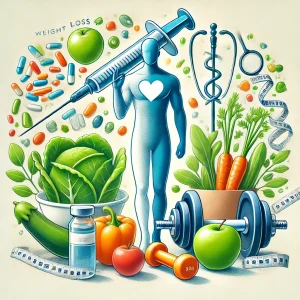
In the pursuit of weight loss, many people are drawn to quick fixes, including weight loss injections. Medications like semaglutide (Ozempic, Wegovy) and liraglutide (Saxenda) have gained popularity for their ability to aid weight loss by suppressing appetite and regulating blood sugar levels. However, these injections are not a magic solution. They require significant effort, lifestyle changes, and careful consideration to achieve sustainable results. Here’s what you need to know about their purpose, requirements, and why effort is still essential.
What Are Weight Loss Injections For?
Weight loss injections are designed to help individuals struggling with obesity or weight-related health conditions. These medications mimic hormones that regulate hunger and blood sugar, helping to reduce food intake and promote a feeling of fullness.
However, they are intended to complement, not replace, healthy lifestyle choices such as balanced eating and regular exercise.
Who Are They For?
- Individuals with Obesity: Those with a body mass index (BMI) of 30 or higher
- Overweight Individuals: Those with a BMI of 27 or higher with weight-related health conditions, such as:
- Type 2 diabetes
- High blood pressure
- Sleep apnea
- Heart disease
Requirements for Eligibility
Weight loss injections are not available over the counter and require a prescription from a healthcare provider. You must meet specific criteria, including:
1. BMI Guidelines: A BMI of 30 or higher, or 27 or higher with weight-related health concerns
2. Health Assessment: A thorough evaluation by a healthcare provider to assess your medical history and current conditions
3. Lifestyle Commitment: A willingness to adopt dietary changes and increase physical activity
4. Regular Monitoring: Commitment to follow-ups with your healthcare provider to track progress and adjust the dosage if necessary
Effort Is Still Essential
While weight loss injections can help jumpstart your journey, they are not a standalone solution. Success depends on adopting and maintaining healthy habits.
Why Exercise Is Crucial
- Burns Fat: Physical activity helps burn calories and promotes fat loss.
- Preserves Muscle: Regular exercise prevents muscle loss during weight loss.
- Improves Metabolic Health: It boosts cardiovascular health and insulin sensitivity.
- Enhances Mental Well-being: Exercise releases endorphins that reduce stress and improve mood.
The Importance of Healthy Eating
- Nutritional Support: A balanced diet ensures your body gets essential nutrients.
- Maximizes Weight Loss: Proper portion control and nutrient-dense foods support fat loss.
- Reduces Side Effects: Hydration and a fiber-rich diet can help reduce nausea and constipation.
- Stabilizes Blood Sugar Levels: Balanced meals work in harmony with the medication.
What Happens If You Skip Lifestyle Changes?
- Relying solely on injections without adopting healthy habits can lead to:
- Limited or short-term weight loss
- Difficulty maintaining weight after stopping the medication
- Health complications from poor nutrition and inactivity
- Increased dependence on the medication
Potential Side Effects
Like any medication, weight loss injections can cause side effects, some of which may be severe.
Common Side Effects
- Nausea
- Vomiting
- Diarrhea
- Constipation
- Headaches
Serious Side Effects
- Gallbladder Issues: Risk of gallstones or gallbladder inflammation
- Pancreatitis: Severe inflammation of the pancreas
- Kidney Problems: Rare cases of kidney failure
- Increased Heart Rate: Elevated heart rate during use
- Thyroid Tumors: Certain medications come with warnings about possible thyroid cancer risks
Psychological Considerations
- Mood changes or increased anxiety for some users
- Potential psychological dependence on injections for weight loss
Is It the Right Solution for You?
Weight loss injections might be appropriate if you’ve tried other methods without success and meet the medical requirements. However, they are not a substitute for a healthy lifestyle. Their effectiveness depends entirely on your commitment to regular exercise and proper nutrition.
Before making a decision, consult a healthcare provider to explore all your options. If you’re looking for a sustainable and empowering approach to fitness, professional coaching can help you achieve your goals naturally and healthily. With the right guidance and dedication, long-term weight management is within your reach—without shortcuts.
Sources
1. National Institute for Health and Care Excellence (NICE)
Guidelines on weight management and the use of weight loss medications
2. U.S. Food and Drug Administration (FDA)
Information on approved weight loss medications, including warnings and side effects
3. Mayo Clinic
Expert articles on weight loss strategies, medications, and health tips
4. Centers for Disease Control and Prevention (CDC)
Guidelines on obesity management and healthy lifestyle recommendations
5. WebMD
Comprehensive information on weight loss injections, side effects, and health considerations
6. Obesity Action Coalition (OAC)
Resources on weight management options, including medication support