
Author: PT Evelina — Level 3 Personal Trainer (CIMSPA & EREPS Registered)
Experience: Fitness instructor since 2018, 10 years handball athlete, fitness competitor 2012–2013
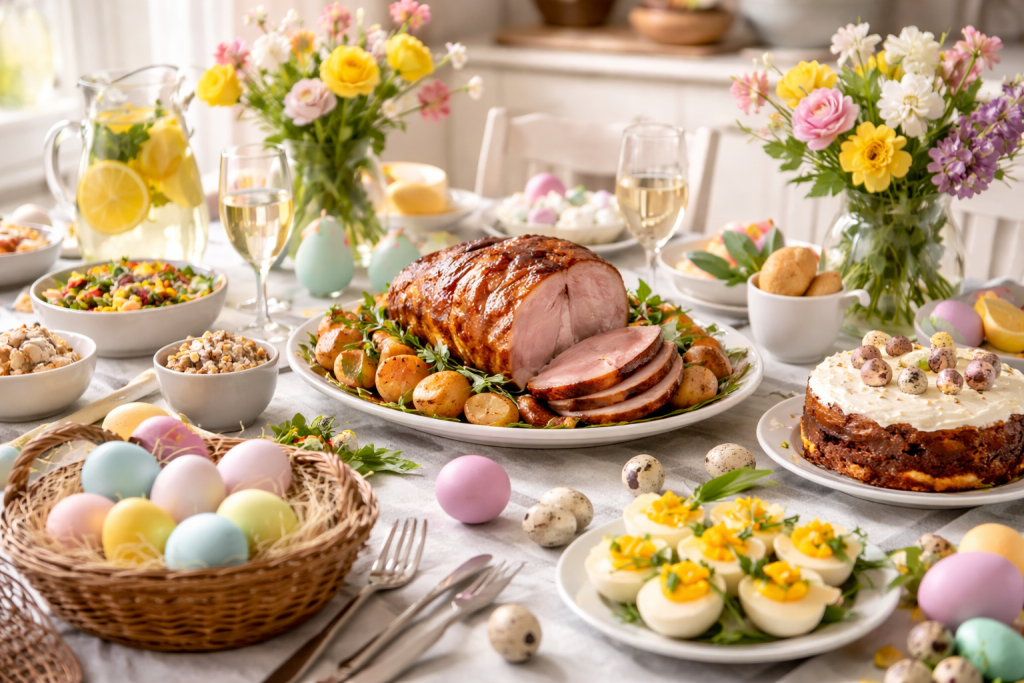
Celebrations don’t have to ruin your weight loss.
With the right approach, you can enjoy the moment and stay on track.
The key is simple: plan ahead, prioritise protein and vegetables, eat slowly, stay active, and avoid all-or-nothing thinking.
You don’t need perfection.
You need awareness and consistency.
Why Celebrations Feel So Hard When You’re Trying to Lose Weight
Let’s be honest…
It’s not the Christmas dinner, birthday cake, or Easter roast that causes weight gain.
It’s what happens around it.
The “I’ll start again Monday” mindset.
The loss of routine.
The constant picking, snacking, and drinking.
Research shows most people only gain around 1–2 lbs during holiday periods, but the real problem is that it often doesn’t come off after.
That’s where progress slowly stalls.
The good news?
You don’t need to avoid celebrations.
You just need a smarter approach.
1. Stop Treating It Like a “Season”
One of the biggest mistakes women make:
“I’ll get back on track after the holidays.”
Instead, shift your thinking:
👉 It’s not a season. It’s a few events.
One meal will not cause fat gain.
But weeks of being off track will.
Focus on consistency between events — that’s where results are protected.
2. Have a Simple Plan Before You Go
You don’t need a strict diet plan.
But going in with zero plan = relying on willpower.
And willpower is weakest when:
- you’re tired
- you’re stressed
- you’re surrounded by food
Try this instead:
- Eat normally during the day (don’t “save calories”)
- Decide what you really want to enjoy
- Ignore the rest
Awareness beats restriction every time.
3. Build Your Plate (Without Overthinking Calories)
Forget complicated tracking during events.
Use this simple structure:
- Half your plate → vegetables
- Quarter → protein (chicken, fish, eggs, etc.)
- Quarter → carbs or treats
This helps you:
✔ stay full
✔ manage portions naturally
✔ avoid overeating without feeling restricted
If you’re unsure how to balance your meals without cutting foods you enjoy, this is exactly what I cover in Smart Swaps, Not Sacrifice: How to Eat for Fat Loss Without Feeling Deprived.
4. Slow Down Your Eating (This Is a Game-Changer)
Most overeating happens because you eat too fast.
Your body needs about 20 minutes to register fullness.
So if you rush your food → you eat more than you need.
Simple habit:
- Put your fork down between bites
- Chew properly
- Pause before going for seconds
You’ll naturally eat less without trying.
5. Be Careful With “Invisible Calories”
This is where progress usually slips.
Not the main meal… but:
- drinks
- snacks while cooking
- kids’ leftovers
- “just one more bite”
Alcohol is a big one:
- adds calories quickly
- lowers your control
- increases appetite
Try:
👉 alternate drinks with water
👉 set a limit before you start
Very often it’s not the main meals, but the small habits that hold you back — I break this down in The 7 Silent Reasons You’re Not Losing Weight – and How to Fix Them.
6. Keep Moving (Even If It’s Not Perfect)
You don’t need full workouts during busy periods.
You need some movement:
- a 15-minute walk
- a quick home workout
- staying active during the day
This helps:
✔ regulate appetite
✔ reduce stress
✔ keep your routine alive
Consistency > intensity.
7. Avoid the “All or Nothing” Trap
This is the biggest progress killer.
You overeat →
You think: “I’ve messed it up anyway” →
You keep overeating.
Instead:
👉 One meal = nothing
👉 One day = manageable
👉 One week = where problems start
Always come back to your next meal.
This pattern isn’t just about food — it’s linked to stress, pressure, and how you respond to it. I go deeper into this in How to Manage Stress: A Practical Guide for a Healthier Mind and Body.
8. Focus on the Experience, Not Just the Food
Celebrations are about:
- connection
- family
- memories
Not just what’s on your plate.
The more your focus shifts away from food,
the easier it is to stay in control without feeling restricted.
9. Aim for Consistency, Not Perfection
You don’t need to:
- skip dessert
- avoid all treats
- be “perfect”
You need to:
✔ stay aware
✔ make intentional choices
✔ return to your routine quickly
That’s how sustainable weight loss actually works.
If you’re trying to balance all of this with a busy life, you’ll find this helpful — 10 Practical Weight Loss Tips for Busy Mums.
Final Thoughts
You don’t need to “start again” after celebrations.
You just need to never fully stop.
That’s the difference between:
👉 short-term dieting
and
👉 long-term results
This article is based on evidence from registered dietitians, obesity medicine specialists, and research on long-term weight management behaviours.
Sources
- Mass General Brigham. Tips to Help Manage Holiday Weight Gain.
https://www.massgeneralbrigham.org/en/about/newsroom/articles/tips-to-help-manage-holiday-weight-gain - FirstHealth of the Carolinas. Give Yourself the Gift of Balance this Holiday Season.
https://www.firsthealth.org/wellness-fitness/firstblog/holiday-balance-mindful-eating-tips/ - ThedaCare. Healthy Holidays: 5 Tips for Staying on Track with Eating Goals.
https://thedacare.org/healthy-holidays-5-tips-for-staying-on-track-with-eating-goals/ - Doylestown Health (Penn Medicine). Stay Festive and Fit with Mindful Holiday Eating Strategies.
https://www.doylestownhealth.org/blog/stay-festive-and-fit-with-mindful-holiday-eating-strategies - Sharp HealthCare. 5 Ways to Maintain a Healthy Weight This Holiday Season.
https://www.sharp.com/health-news/5-ways-to-maintain-a-healthy-weight-this-holiday-season - University of Utah Health. Mindful Holiday Eating: How to Make Healthy Choices.
https://healthcare.utah.edu/healthfeed/2020/12/mindful-holiday-eating-how-make-healthy-choices - CCM Health. Healthy Holiday Tips for 2025: Eating Well & Managing Stress.
https://ccmhealthmn.com/healthy-holiday-tips-2025/ - National Weight Control Registry (NWCR). Strategies to Manage Weight During the Holiday Season.
https://www.ncbi.nlm.nih.gov/pmc/articles/PMC
FAQ
Yes. One meal won’t cause fat gain — consistency over time matters more.
All-or-nothing thinking, where one off-plan meal turns into several days of overeating.
No. This usually leads to overeating later.
No. You can include them — the key is balance and portion awareness.