
Author: PT Evelina — Level 3 Personal Trainer (CIMSPA & EREPS Registered)
Experience: Fitness instructor since 2018, 10 years handball athlete, fitness competitor 2012–2013
Updated: April 5, 2026
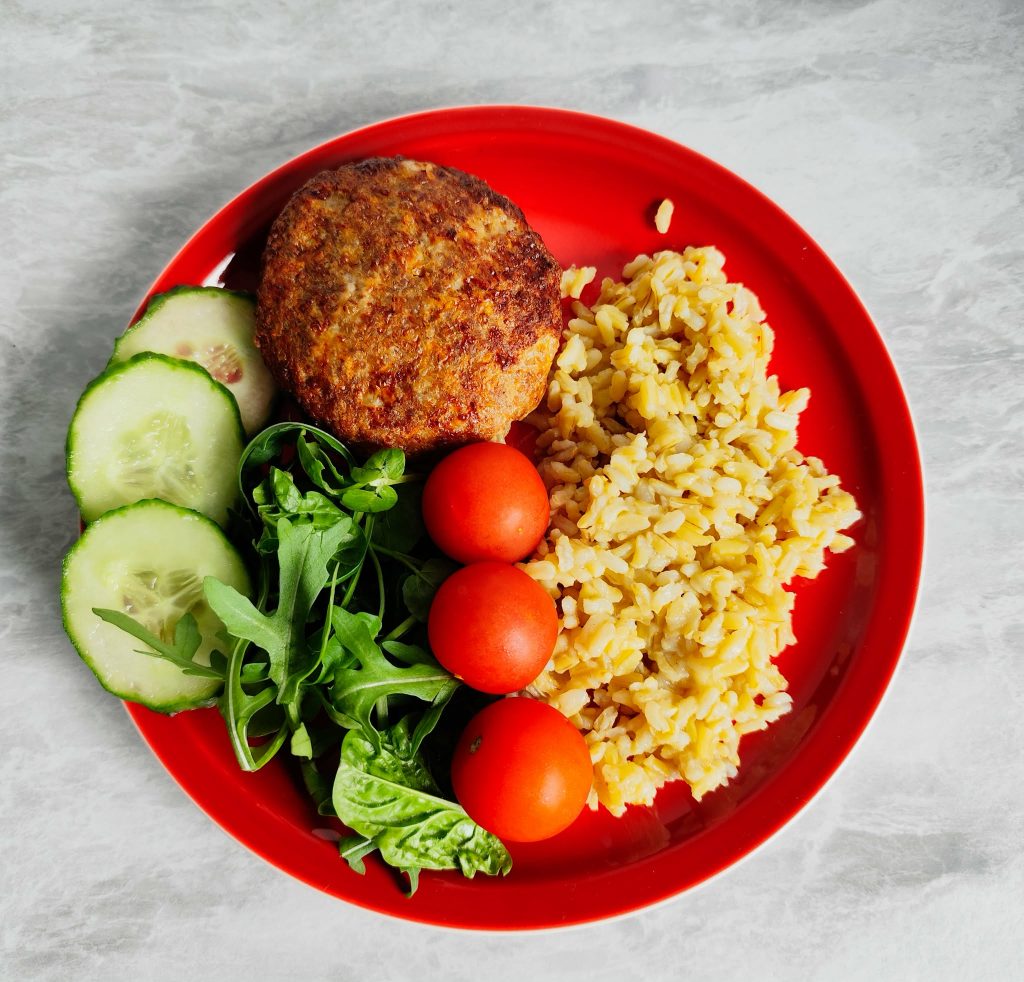
Healthy eating is often overcomplicated.
You don’t need extreme diets, “superfoods,” or cutting out entire food groups. What you actually need is a simple, consistent way of eating that supports your body, your energy, and your fat loss goals.
For women, this matters even more. Hormones, lifestyle, stress, and lower calorie needs all play a role in how your body responds to food.
So instead of chasing perfection, focus on this: build meals that are balanced, satisfying, and repeatable
1. Balance Your Macronutrients: Protein, Carbohydrates, and Fats
A balanced diet includes the right mix of protein, carbohydrates, and fats. Each of these plays a key role in how your body functions — and more importantly, how you feel throughout the day.
Protein helps build and repair tissues, supports muscle health, and keeps you feeling full for longer. This is especially important if your goal is fat loss, as it helps prevent overeating. Good sources include lean meats, poultry, fish, eggs, beans, nuts, and seeds.
Carbohydrates are your body’s main source of energy. But not all carbs are equal. Complex carbohydrates like whole grains, vegetables, and legumes digest more slowly, helping to stabilise blood sugar and reduce cravings. If you want to understand this deeper, read: Understanding Carbohydrates: What They Are and How They Affect Your Body
Fats are essential for hormone production, brain function, and overall health. The key is choosing the right types. Focus on unsaturated fats like olive oil, avocados, and nuts, and limit highly processed fats. For a deeper breakdown, check: Understanding Fats in Food: The Good, the Bad, and the Essential
The goal is not to remove any macronutrient — but to balance them in a way that keeps you satisfied and energised.
2. Focus on Whole, Minimally Processed Foods
One of the simplest and most powerful principles of healthy eating is this: Eat foods as close to their natural form as possible.
Whole foods are rich in nutrients, fibre, and antioxidants — all of which support your metabolism, digestion, and overall health.
These include:
- Fresh fruits and vegetables
- Whole grains (quinoa, oats, brown rice)
- Lean proteins (fish, poultry, beans)
- Healthy fats (nuts, seeds, avocados)
Highly processed foods, on the other hand, are often designed to be easy to overeat. They are typically high in calories but low in nutrients, which makes it harder to stay full and maintain a calorie balance.
3. Watch Your Portion Sizes
Portion control is where many people struggle — and it’s often the missing link in weight loss.
Even healthy foods can lead to weight gain if eaten in excess.
Instead of focusing only on what you eat, start paying attention to how much you eat.
Simple strategies that actually work:
- Use smaller plates to naturally reduce portions
- Be mindful of calorie-dense foods like oils, nuts, and sauces
- Learn to recognise when you’re satisfied, not overly full
Many women believe they need a stricter diet, when in reality they need better awareness.
Fat loss doesn’t come from restriction — it comes from consistent portion awareness.
4. Stay Hydrated
Water plays a crucial role in nearly every function in your body — from digestion to energy levels.
But here’s something most people overlook:
Dehydration can feel like hunger.
This often leads to unnecessary snacking and extra calories throughout the day.
Aim for around 6–8 glasses of water daily, and more if you’re active.
You can also include hydrating foods like fruits and vegetables, as well as herbal teas.
If you want to understand how hydration affects performance and fat loss, read: Hydration: The Importance of Water for Health and Performance
5. Limit Added Sugars and Refined Carbohydrates
Foods high in added sugars and refined carbohydrates can quickly disrupt your progress.
They cause rapid spikes in blood sugar, followed by crashes — which leads to:
- increased hunger
- more cravings
- overeating later in the day
Common examples include:
- sugary snacks and drinks
- pastries and sweets
- highly processed convenience foods
This doesn’t mean you need to cut them out completely. But reducing them consistently can make a big difference in how your body feels and how easily you manage your weight.
6. Eat Mindfully
Mindful eating is one of the most underrated tools for improving your diet.
It’s not about what you eat — but how you eat.
Many people eat:
- while scrolling
- while watching TV
- while rushing between tasks
This disconnect makes it easy to overeat without even noticing.
Instead, try:
- sitting down for meals
- eating slowly
- paying attention to taste and texture
Ask yourself during meals:
“Am I still hungry, or just eating because it’s there?”
This simple habit can naturally reduce calorie intake without strict dieting.
7. Plan and Prepare Meals Ahead
Healthy eating becomes much easier when you remove decision-making.
Because let’s be honest — most poor food choices happen when:
- you’re busy
- you’re tired
- you didn’t plan
Meal planning helps you stay consistent without relying on motivation.
You don’t need complicated recipes.
A simple structure works best:
- a protein source
- vegetables
- a carbohydrate
- a healthy fat
Planning ahead also helps avoid situations where you feel like you’ve “fallen off track,” especially during social events or busy periods. This ties in well with: How to Stay on Track During Celebrations Without Ruining Your Weight Loss
Conclusion
A healthy diet isn’t about strict rules or cutting out everything you enjoy.
It’s about:
- making better choices more often
- understanding your body
- building habits you can actually stick to
When you focus on balance, portion awareness, and consistency, everything becomes simpler.
You don’t need to do everything perfectly.
You just need to do the basics consistently.
And that’s what creates real, lasting results.
Sources
- Dietary Guidelines for Americans (2025). Dietary Guidelines for Americans, 2025–2030. U.S. Department of Health and Human Services & U.S. Department of Agriculture.
- Harvard T.H. Chan School of Public Health (2024). Healthy Eating Plate. The Nutrition Source.
- NHS (2024). Healthy eating when trying to lose weight.
- British Nutrition Foundation (2024). Healthy weight loss and balanced diet principles.
- Mayo Clinic (2023). Nutrition and healthy eating: Portion control for weight loss.
FAQ
Balance. Not cutting foods out, but combining nutrients in a way that supports your body and keeps you consistent.
No. Fat loss depends on total calorie balance, not removing carbs. Choosing whole, fibre-rich carbs is key.
Most often it comes down to portion sizes, hidden calories (snacks, drinks), or inconsistency.